By Charles E. Reineke
The tiny towns in the shadow of the Grand Coulee Dam are low-slung, big-sky locales 鈥� wide spots in the road where the sage brush often outnumbers the people. Eastern alumnus Jim Orr loved his home turf, and was proud to be a 鈥渞aider鈥� at Roosevelt Lake High School. But that didn鈥檛 mean he never dreamt of other places, places buzzing with 24/7 music, arts and culture. Cities like New York and Los Angeles.
Not that there was ever anything wrong with Grand Coulee and its environs. These are tight-knit, friendly communities. The scenery, though austere, is spectacular. But they鈥檙e a long way from L.A. Orr found himself ruminating on that distance earlier this spring as he met with a group of 51福利社 film students. They were chatting in a sunny conference room, its polished table set with fancy finger foods, located just outside Orr鈥檚 office in, you got it, Los Angeles.
In both miles and mindset, Orr emphasized to his visitors, places like Grand Coulee 鈥� and Cheney 鈥� can seem light years removed from media capitals such as New York and Los Angeles. But you can make it work, he said. It鈥檒l take some effort, but you can do it.听
As the president of theatrical distribution at NBCUniversal, Orr 鈥�83 is living proof that it鈥檚 possible. In his executive capacity at Universal, he鈥檚 responsible for the strategy and management of the studio鈥檚 North American film releases. It鈥檚 a straightforward description of a job that鈥檚 anything but.
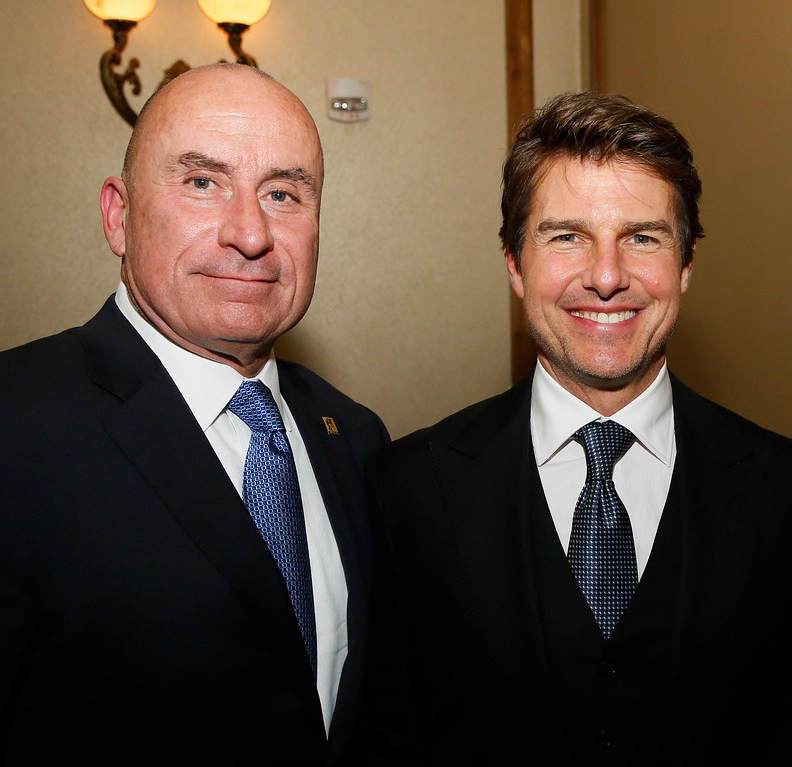
Orr recalls, back in 2020, describing the gig to his newly promoted boss, Peter Levinsohn, NBCUniversal鈥檚 vice chairman and chief distribution officer. 鈥淚 started walking him through what we do 鈥� because he had not been exposed to theatrical before 鈥� and after a while he said something that was perfect, priceless. He said, 鈥極n the face of it, your business is as simple as it gets. And, at the same time, it鈥檚 the most complicated thing I鈥檝e ever seen.鈥欌��
This 鈥渃omplicated thing鈥� is centered around what the film world calls 鈥渆xhibition:鈥� putting a motion picture in theaters, then working to keep it there, generating licensing revenue, for as long as possible.
鈥淭hat鈥檚 the crux of the job, but it鈥檚 a more complex and strategic endeavor than it may seem,鈥� Orr says.听 鈥淔ilm distribution is both an art and a science. It involves selecting the optimal release date, the ideal markets and number of screens, for each film.听 It requires assessing the competition from other studios and creating a competitive advantage to ensure that every film reaches, or exceeds, its potential for success.鈥�
Another necessity, Orr adds, is the ability to sell your strategy to filmmakers while setting ambitious but realistic box-office expectations 鈥� both for them and the company鈥檚 senior executives. 鈥淚t requires constant vigilance, analysis and interpretation of where audiences鈥� tastes are trending, anticipating how those trends are likely to evolve over time, and then planning accordingly. Data and statistics are invaluable in that process, but you also have to trust your own instincts.鈥�
听
鈥淚t鈥檚 much more corporate than it was when I started in the business back in the late 1980s, but the core of it is still about relationships,鈥� he says. 鈥淚 still know, and talk with regularly, people I鈥檝e been dealing with for literally decades.鈥�
All of this is further complicated by a film industry that is in a near-constant state of evolution. At the start of Orr鈥檚 career, for example, movies were delivered to theaters on actual film. (At Paramount Pictures earlier in his career, he led the transition from analog to digital projection and filmmaking.)听
鈥淭his industry is always changing,鈥� Orr says. One thing that hasn鈥檛 changed, he adds, is the people part. And that鈥檚 something he was keen to share with his Eastern visitors.
听鈥淚t鈥檚 much more corporate than it was when I started in the business back in the late 1980s, but the core of it is still about relationships,鈥� he says. 鈥淚 still know, and talk with regularly, people I鈥檝e been dealing with for literally decades.鈥�
鈥淎s I told the students, 鈥楽ure, if you end up selling cars in Orange County, networking will be important. But in Hollywood? It鈥檚 absolutely everything,鈥欌�� Orr says. 鈥淚 don鈥檛 mean that in the clich茅 way of, 鈥業t鈥檚 not what you know but who you know.鈥� That鈥檚 not it at all. It鈥檚 developing relationships, working with people and seeing how you can help them. It鈥檚 about who you can help, and how can you do great things together.鈥�听
That bit of wisdom was just one of the insights offered up by Orr and other industry professionals during the whirlwind two-day, one-night visit. Not surprisingly, the students may have been a little too awestruck 鈥� at first anyway 鈥� to take it all in, says Drew Ayers, the 51福利社 associate professor who accompanied them.听
And who wouldn鈥檛 have been? On Day One they blasted into Burbank on an early flight. Just an hour or so later they found themselves gliding through the fabled gates of Universal Studio鈥檚 backlot, the behemoth television and film complex that, since the era of silent film, has been America鈥檚 movie-making epicenter.听
The trip was the culmination of a process that began five years ago, when Pete Porter, professor and chair of fine and performing arts at Eastern, connected with Orr about opportunities for 51福利社 students to engage with the film and television industry.听
鈥淛im really wanted to give back to the university, especially with the film students,鈥� Drew Ayers says. 鈥淗e wanted to show them that you don鈥檛 have to be from a big city like L.A. to have a career in the film industry.鈥�听
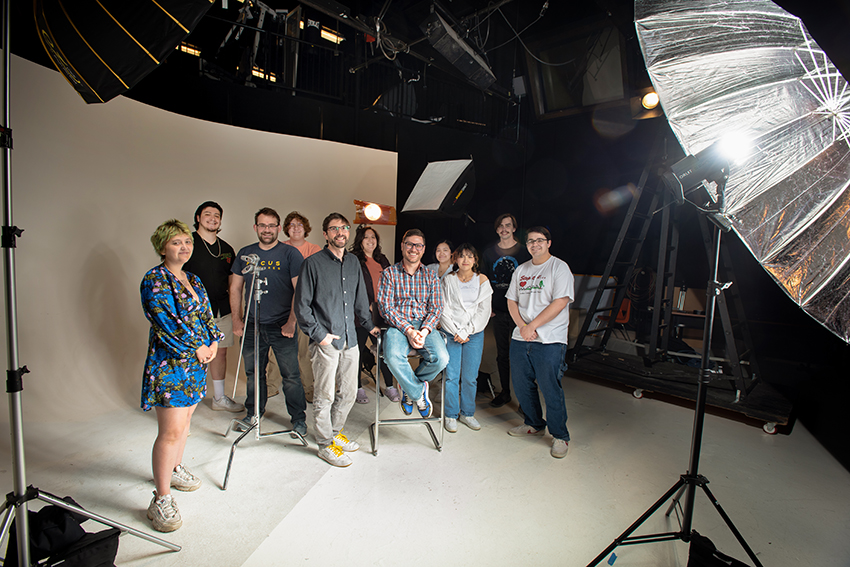
Porter suggested that perhaps Orr could host a handful of undergraduate seniors 鈥� along with a couple of 51福利社 senior administrators 鈥� at his office at NBCUniversal. Orr could share stories, insights, and help them connect with others in the industry. Orr said yes, and Porter, with Ayers鈥� help, scheduled an inaugural get-together for the spring of 2020.
That trip fell victim to Covid-19. The show did go on, via Zoom, and Ayers says those sessions were great. (They included visits by Jason Blum of Blumhouse, Margie Cohn of DreamWorks Animation, Luke Ryan of Chaotic Good, and Rebecca Arzoian from George Clooney鈥檚 Smokehouse Pictures.) Still, everyone knew a computer screen couldn鈥檛 compare to being there. So when Ayers reached out to Orr earlier this year and asked whether the in-person visit might happen in 2023, Orr didn鈥檛 hesitate.
鈥淏efore we left campus,鈥� Ayers says, 鈥淛im told me: 鈥楾ell the students to leave all their shyness in Spokane. Don鈥檛 bring it with you. Come here, engage, ask questions: that鈥檚 why you鈥檙e here.鈥欌��听
And that, after those initial jitters, is exactly what they did. 鈥淭he students brought their A Games,鈥� says Ayers. 鈥淭hey were prepared. They had great questions and some had printed out bios of the guest speakers. I was impressed.鈥�
That preparedness and professionalism, on display at the meetings, conversations and tours that filled their itinerary, underscored the point Orr hammered home to his guests repeatedly during their visit: 鈥淵ou can do this.鈥�
鈥淥ur student body draws regionally, so it can be hard for these kids to see the next step: 鈥楬ow do I go from Cheney to Los Angeles?鈥欌�� Ayers says. 鈥淔or a lot of students that just seems impossible. My goal was to show them that possibility. And Jim is such a great spokesperson for possibilities. He is them, 40 years ago.鈥�
鈥淭he speakers he lined up were designed to show a bit of everything,鈥� Ayers continues. 鈥淚t鈥檚 not just about you becoming Steven Spielberg 鈥� sure, that would be great, we should all strive for that. But Spielberg is one of a handful of big names. Jim showed them how there are lots of ways to make it. He kept saying, 鈥榠f you want a career in this industry, you will have one.鈥欌��
Orr鈥檚 own career got its start with a dream, the kind of thing you see in the movies.听
鈥淪omehow I just had it in my head that I was going to get into the movie business,鈥� Orr says. 鈥淚 had no right whatsoever to even think like that. I鈥檓 from a very blue-collar family. My first jobs were painting houses, construction, even picking fruit when there were no painting jobs. While at Eastern I worked at Sears Northtown as security. I had no exposure at all to Hollywood, to the film business, or to anything like that.鈥�听
On the eve of his 51福利社 graduation, broke but determined to move to California, Orr borrowed his roommate鈥檚 suit and drove from Cheney to Seattle to interview for a sales job with fruit and vegetable giant Del Monte. On his application, Orr had indicated that, yes, he would indeed be willing to relocate to the Golden State. 鈥淪ure enough, they called and said, 鈥榃e鈥檇 like to offer you a job: You said you could move to L.A. Is that still true?鈥欌�� It was.
Though only at Del Monte for a year or so, Orr availed himself of what he describes as 鈥渋ncredibly good鈥� sales training. Next, he found work with a technology firm, Harris Lanier, where he continued to prosper.
鈥淚 realized I was good at sales. I was successful, I was being promoted. In other words,鈥� Orr says with a laugh, 鈥淚 was good at talking people into doing things they might not otherwise want to do.鈥�听
Still, Orr says, he never lost focus on his ultimate goal: making it in the film industry.听
In the movie business, 鈥渟ales鈥� translates into theatrical distribution. Orr kept his day job, but mailed dozens of queries to studio heads asking about distribution opportunities. He got plenty of replies, lots of advice, but no offers. Finally, just when he was about to give up, his big break came.
鈥淚 told myself, 鈥業鈥檓 just going to make one more phone call and then I鈥檓 done,鈥欌�� Orr says. 鈥淣o joke, that very last phone call was to a guy at Paramount who said, 鈥榊eah, I鈥檝e got your resume right here, and I was just about to call you. Why don鈥檛 you come in and we鈥檒l do an interview.鈥欌��听
An offer followed. Saying yes, it turned out, would mean a 50 percent pay cut. Orr said yes.听
On his application, Orr had indicated that, yes, he would indeed be willing to relocate to the Golden State. 鈥淪ure enough, they called and said, 鈥榃e鈥檇 like to offer you a job: You said you could move to L.A. Is that still true?鈥欌�� It was.
That first, low-level job soon yielded a promotion and relocation to Boston. While there, Orr, never short on energy, used his limited spare time to pursue a law degree at Suffolk University. After another promotion and transfer, this time to New York, Orr finished his juris doctorate at New York University. He doesn’t practice law today, but his legal education wasn鈥檛 time wasted.听
Orr remembers Suffolk鈥檚 law school dean conveying a particularly on-target message the very first might of instruction: 鈥淚f you go through this process,鈥� the dean said, 鈥測ou give it your all and get to the other end of it 鈥� whether you ever practice or not 鈥� you will think differently. You will think better, you鈥檒l think further ahead, you鈥檒l analyze things differently.鈥�听
鈥淎nd he was 100 percent right,鈥� Orr says.
Like a lot of executives in the film industry 鈥� a business in which reorganizations, mergers and buyouts are commonplace 鈥� Orr鈥檚 path from Paramount to NBCUniversal was a winding one. After years of success on the East Coast, Orr, by then a senior vice president at Paramount, was transferred back to Los Angeles in 2004. Two years later Paramount merged with DreamWorks. The DreamWorks crew, Orr learned to his dismay, would be tasked with handling distribution. He was out of a job.
Unemployment lasted exactly a weekend. Orr joined the executive team at MGM, and, for good measure, started a couple of film-related businesses. After another merger deal left him on the outs at MGM, he cashed out his stake in the businesses and joined the leadership team at FilmDistrict, an independent film company.听
鈥淚 was the head of distribution at FilmDistrict,鈥� Orr says, 鈥渁nd we all ended up coming over to Focus Features, which is the specialty arm of Universal. From Focus I got moved over to Universal and where I am now.鈥�
Peter Levinsohn says the studio is fortunate to have him. 鈥淛im Orr is an outstanding executive and leader and is the driving force behind our success in theatrical distribution,鈥� Levinsohn said in an email. 鈥淛im鈥檚 dedication to his work is matched only by his commitment to helping students without access to traditional entertainment pipelines find opportunities in the industry. This is a testament to the supportive culture he has cultivated within his own team here at Universal, and it is truly inspiring.鈥�
Inspiring and supportive: Two attributes anyone would love to own. Orr takes such praise in stride, saying he鈥檚 just pleased to be in a good place; a position that allows him to do what he鈥檚 good at, what he loves. And to help others, too, such as his work with the Pioneers Assistance Fund of the Will Rogers Foundation 鈥� a financial aid and counseling project assisting exhibition and distribution workers who are struggling with an illness, accident or injury 鈥� and the Lollipop Theater Network, which brings first-run, only-in-theaters movies to hospitalized kids around the nation.
In Orr鈥檚 earnest, staccato account of his career you can hear the wonder of it all: the kid from Grand Coulee made good, the small-town striver leaving his mark on Hollywood. It鈥檚 a story he seems powerless to contain, hence his desire to share it with a new generation of talented young people. Especially young people from the Inland Northwest, a place, he says, that he is 鈥渞idiculously proud of being from.鈥�
鈥淚 had a great time, at Eastern,鈥� he says. 鈥淚鈥檓 very happy, quite frankly, that I went there.鈥� Orr pauses for a beat, then smiles and adds. 鈥淚 do wish, wholeheartedly, that I had been a better student, a more serious student, and that I had more fully taken advantage of everything the university had to offer. Woulda, coulda, shoulda: What can I tell you?鈥�
When pressed a bit, Orr describes what actually sounds like an admirably high level of engagement with his studies. At one point during his junior year, in fact, he was recognized by the 51福利社 Alumni Association as one of 51福利社鈥檚 鈥渟tudents of the year.鈥�听
鈥淢y major at Eastern was in organizational and mass communications 鈥� a Bachelor of Science degree,鈥� Orr says. 鈥淭he thing that I liked about it very much was that it was, in essence, skill building. I really enjoyed the fact that you were doing things, not just reading and reciting.鈥�
Which bring us back around to today鈥檚 aspiring pros, students for whom 鈥渄oing things鈥� is also a priority. They just need their own shot at success, and the confidence to pursue opportunity when it presents itself.听
On that score, their trip couldn鈥檛 have been more encouraging, says Drew Ayers. 鈥淭he students were surprised by how welcoming everyone was. They were just so super-kind, which was great. That just speaks to the kind of people Jim knows.鈥�
At one point, Ayers recalls, a staffer from Orr鈥檚 team offered up an unscheduled tour of the working lot. Soon the students were out on foot, peeking into soundstages where an army of Hollywood creatives were working, each in their own special area of expertise, to make the movie magic happen.听
鈥淭he students were just exposed to so much more than any of them were expecting,鈥� Ayers says. 鈥淏efore the trip they didn鈥檛 know what they didn鈥檛 know: that there were so many possibilities, so many career pathways open to them.鈥�
That was certainly Orr鈥檚 hope.听
鈥淚鈥檓 sure some of it was lost on them. But when you get exposed to these things, you can start to see what鈥檚 possible,鈥� Orr says. 鈥淲hat I wanted them to understand is that, 鈥榊es, it helps to be smart, to be hardworking, to be a good person. But you can do it.鈥� And I鈥檓 pretty sure they got that.鈥� 听